By: Thapelo Ramorobi.

Money makes the world go around—and in Marked, it’s not just the centre, it’s the root of control. The film dives deep into moral conflict, questioning what happens when good isn’t good enough and when faith can’t provide for your family. It asks one haunting question:
Mzalwani, just how far would you go when the silent walls are too loud and God seems too quiet?
Temptation at the Cliff: A Modern-Day Jesus and the Devil
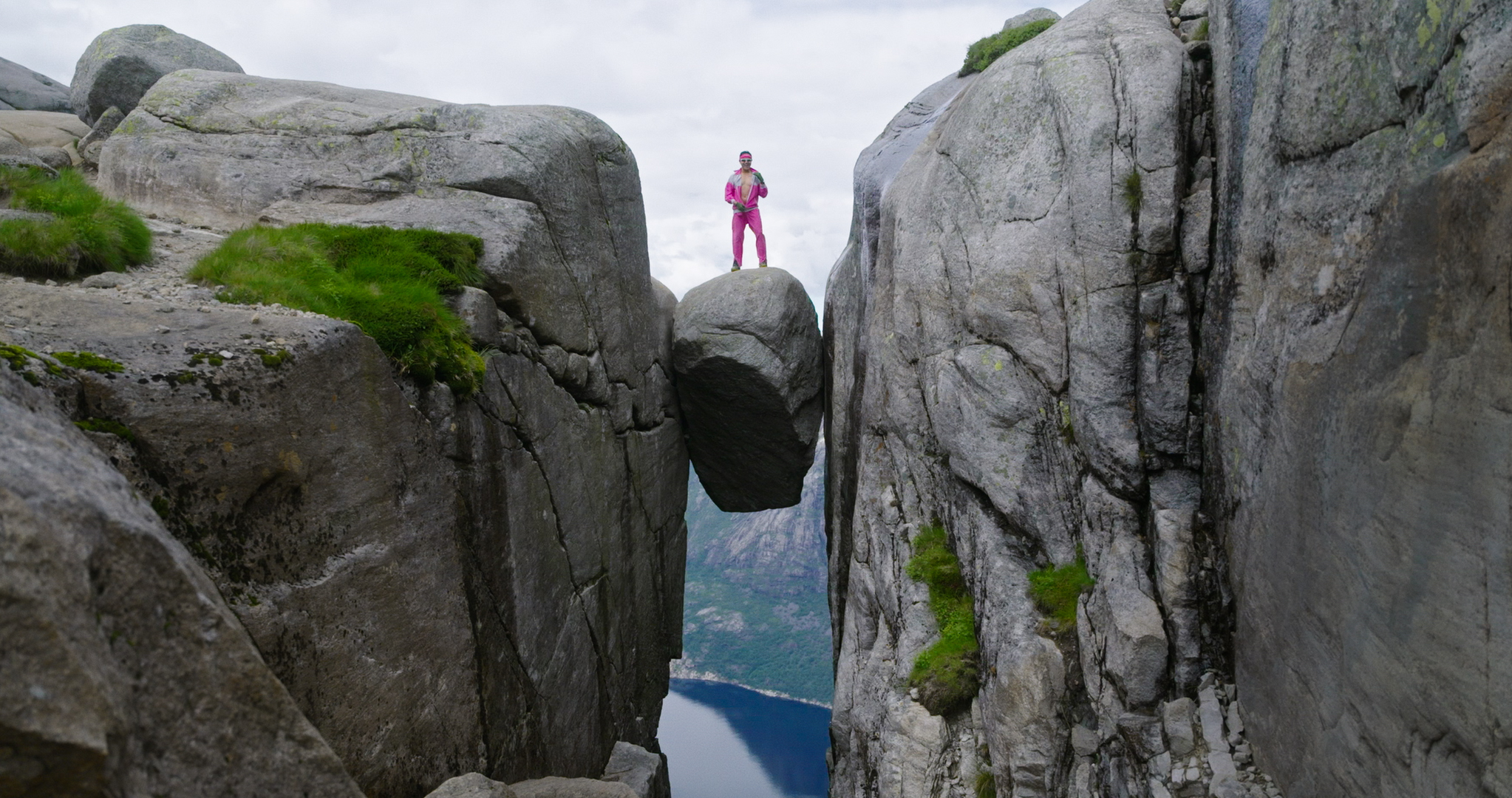
One of the most powerful scenes is set at a cliffside—where Papa G (Jerry Mofokeng) tempts Babalwa (Lerato Mvelase). It echoes the biblical moment where the devil tempts Jesus; only here, it’s a mother with nothing left to give. She stands on the edge, not just physically but spiritually.
Visual Storytelling: Light, Darkness, and the Line Between
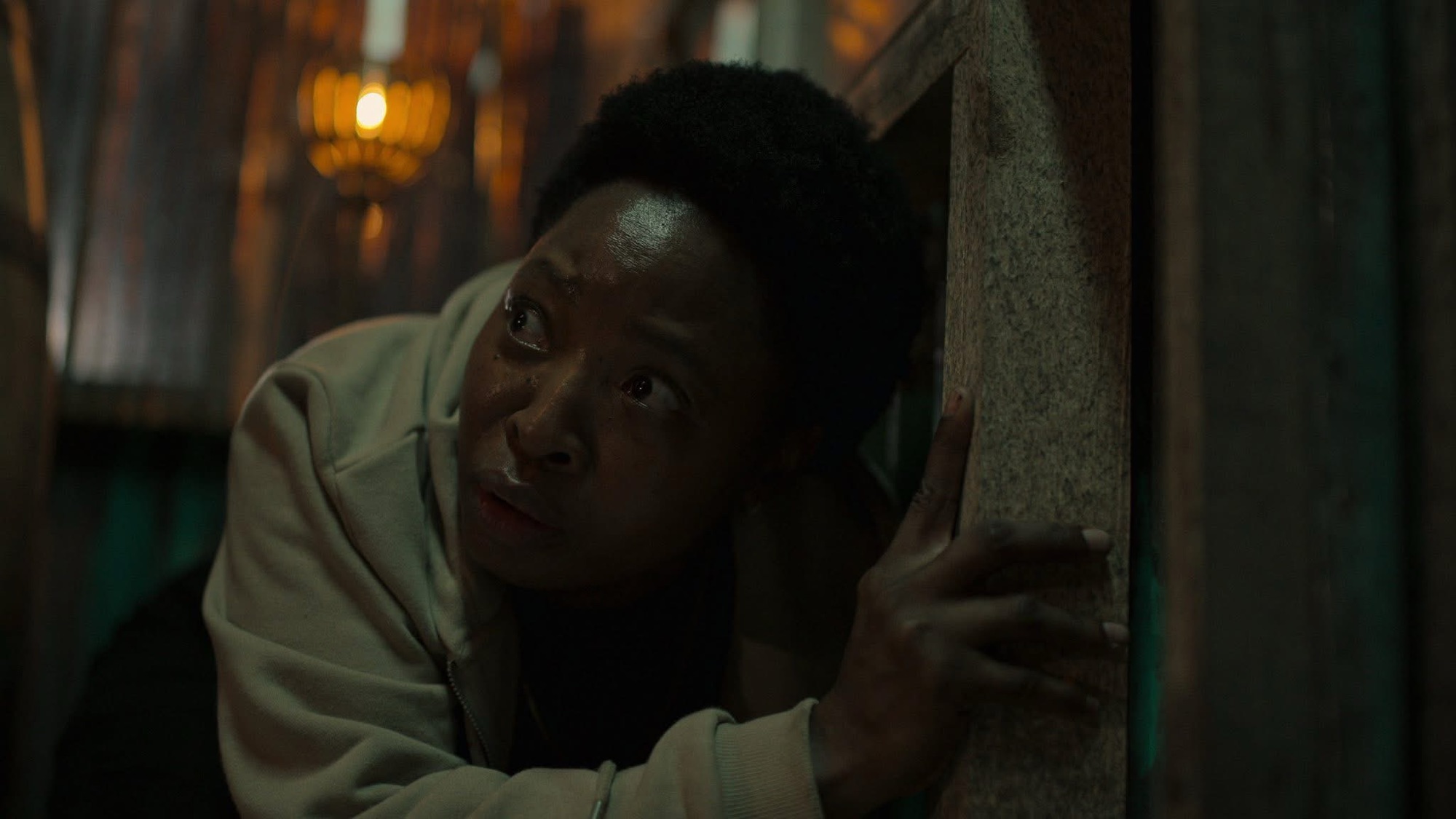
The cinematography is deliberate and emotional. Every shot tells its own story—especially in how the director contrasts Babalwa’s desperate world with that of her boss. The reflections show the different worlds, and in the church, the dim lighting suggests a deeper truth: even sacred spaces can harbour darkness.
A Pastor’s Pulpit vs. Real Pain
One of the film’s most critical moments is when the pastor offers a sermon to Babalwa and her husband, offering them hope for a miracle while they drown in financial need. It’s a painfully familiar moment for many viewers, especially devoted Christians. The film doesn’t shy away from calling out hypocrisy—those who preach faith but offer no practical help. And that’s what breaks Babalwa.
“All my life I’ve been doing what’s good, but in the end, I eat shit.” This line marks her transformation—an honest, heartbreaking character arc that brings her to the other side of her beliefs.
Lerato Mvelase: From the Law to the Line
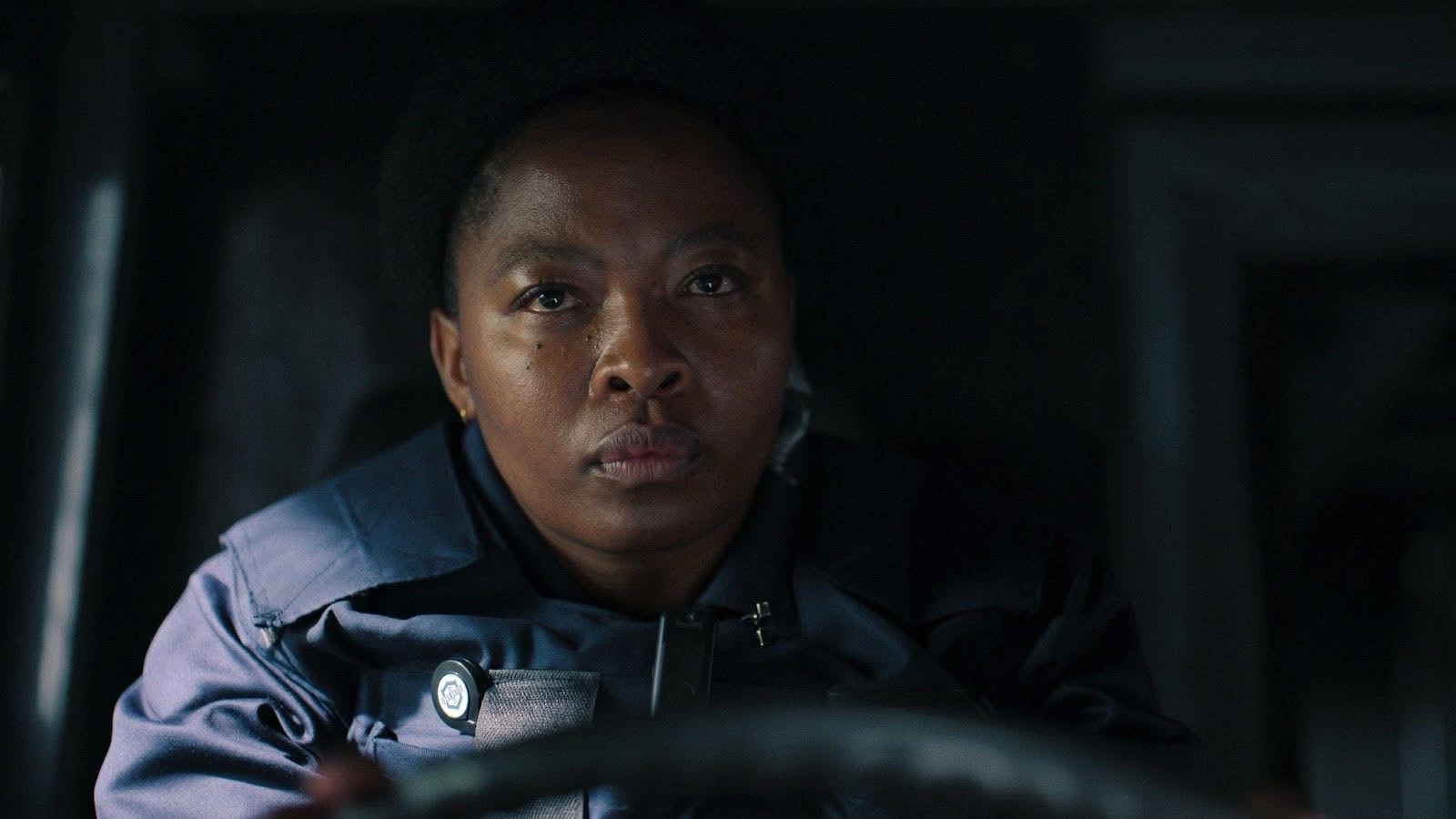
Lerato is often cast as a cop in other roles, so seeing her as a security officer here is no surprise. But what is surprising is her turn to the wrong side of the law. It feels like a continuation of her story—a woman once on the side of justice, now learning that justice won’t give her child the help she so desperately needs.
Her performance is raw and real. She pulls the audience in emotionally, becoming the kind of character you don’t just watch—you feel.
The Obvious Twist and the Bigger Message
Yes, the “inside man getting hit” felt a little predictable—a common red herring to shift suspicion. But Marked doesn’t lean on twists or violence to hold attention. It leans on emotion, character, and moral weight. Where many South African thrillers go for action (iNumber Number style), Marked goes for the gut—and it lands.
A Question of Faith
The story ends with one final line: “Keep the faith.”
It feels ironic after everything we’ve seen, or maybe it’s exactly what we needed to hear.
In a world where morality is currency and faith feels like an empty wallet, Marked leaves us asking:
When everything good fails, will I keep the faith—or will I let go and survive?
Rating: ★★★★☆
Recommended for: Lovers of character-driven stories, morally complex narratives, and South African cinema with emotional depth.