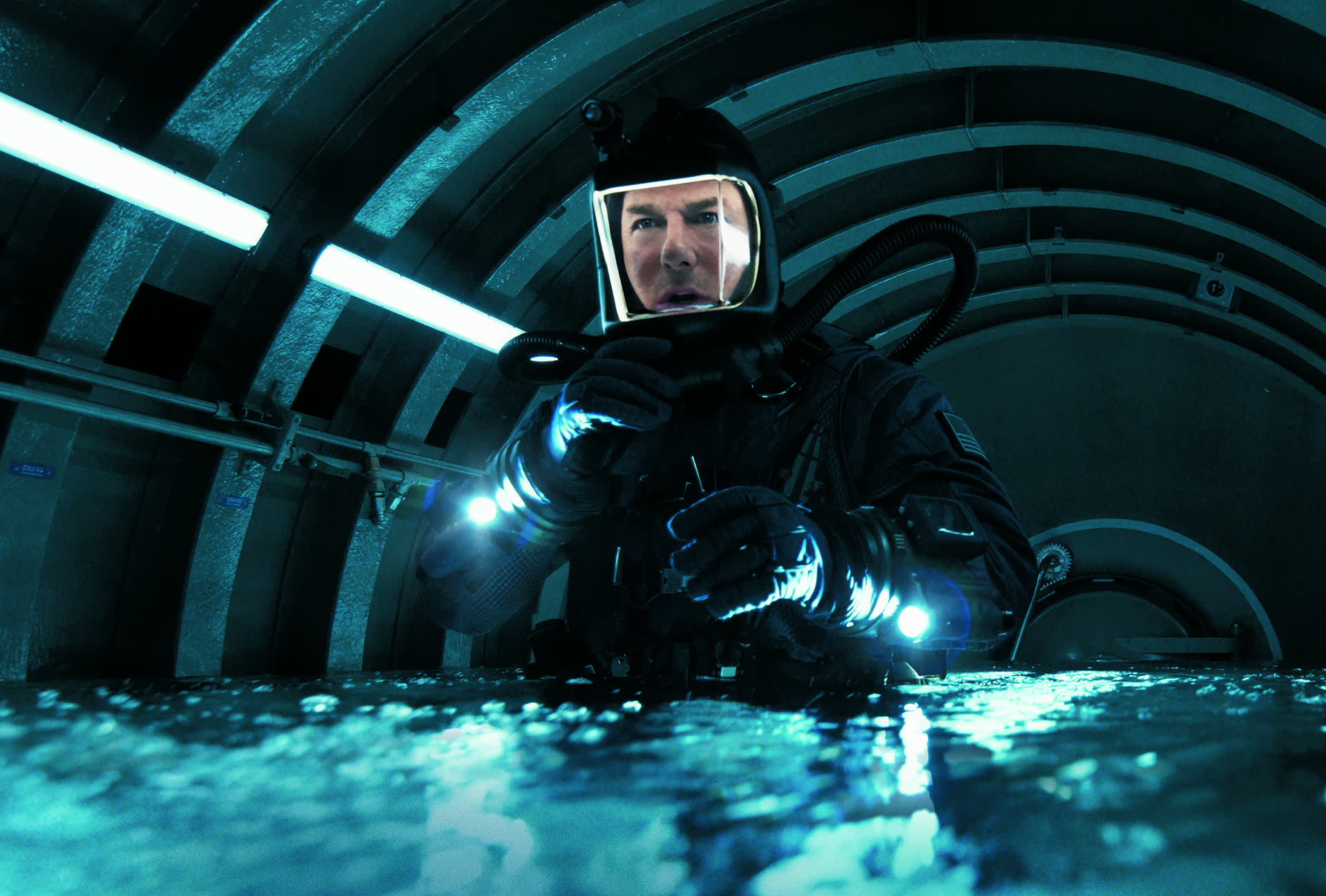
Mission: Impossible – The Final Reckoning, arriving on Showmax on 17 December and M-Net on 28 December, lands as the franchise’s most audacious—and occasionally excessive—display of cinematic brinkmanship. The tenth biggest box office hit of 2025 didn’t get there by playing it safe; instead, it doubles down on the signature formula: Tom Cruise, gravity, and an increasingly thin line between dedication and danger.
What sets this instalment apart is how deeply South Africa shapes the film’s action identity. The production’s marquee twelve-to-fifteen-minute biplane sequence—shot across Blyde River Canyon, the Drakensberg, and the Wild Coast—is nothing short of a muscular, adrenaline-heavy showcase. Stunt coordinator Wade Eastwood, a Durban native and long-time architect of the franchise’s set pieces, curates landscapes that feel both vast and treacherously intimate. The result is a visual spectacle that flirts unapologetically with overkill.
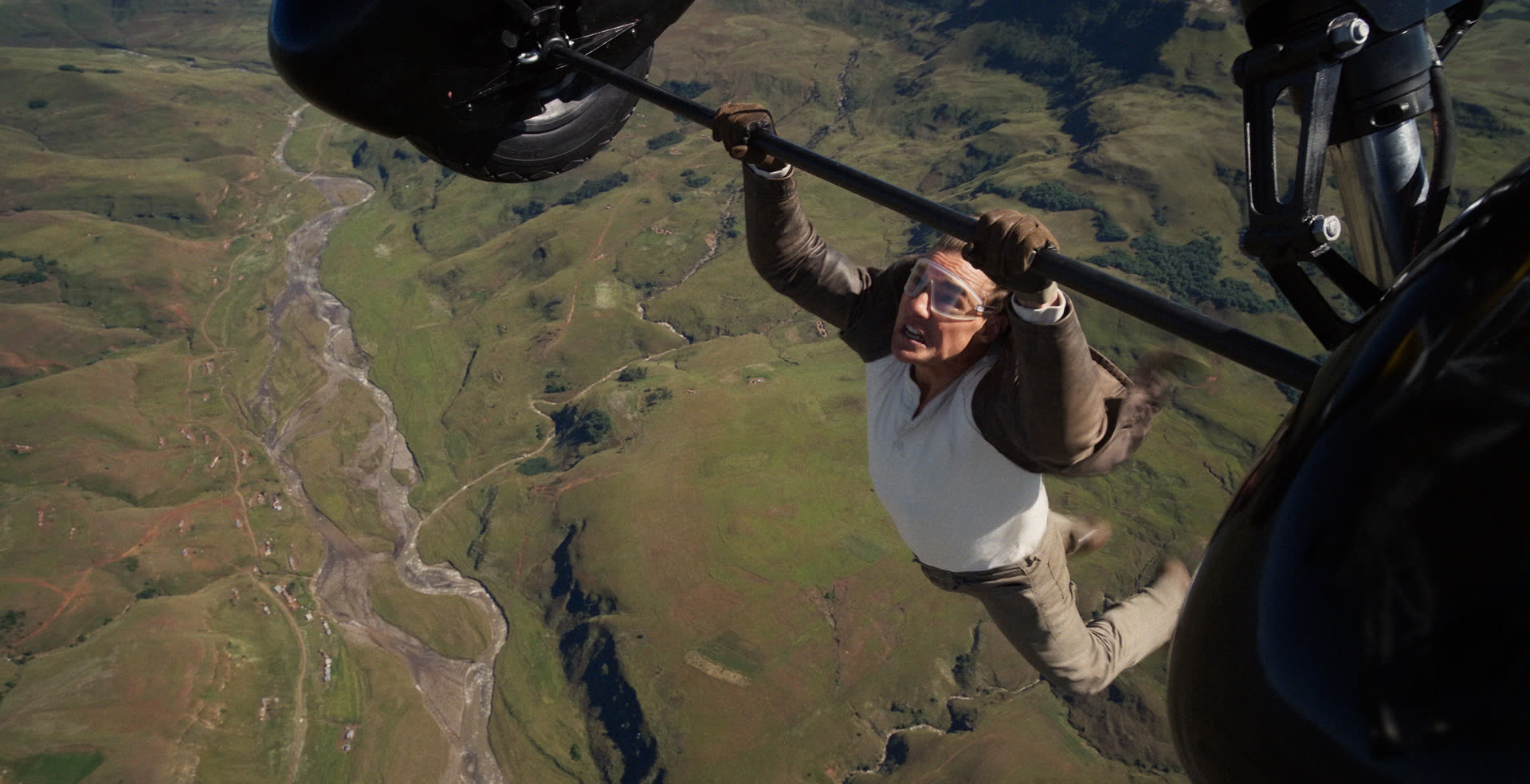
Cruise’s physical commitment has been a franchise talking point for decades, but here, the strain is palpable. Filming over South Africa reportedly demanded around 4,000 flights, endless rehearsals, and a training regimen that would intimidate professional athletes half his age. His description of hanging on to an aircraft and absorbing the force “like doing the heaviest squat of your life” exposes the uncomfortable truth: these stunts are no longer just ambitious—they are brutal.
Director Christopher McQuarrie, who confesses he had to “purge stress” simply to function on set, mirrors the audience’s tension. His choice to supervise shots from a helicopter hovering lower than Cruise’s biplane—often just feet from canyon rock—reads less like directing and more like crisis management. The production’s level of risk begs the question: at what point does realism stop serving the story and start serving the legend of Tom Cruise?
Then there’s the film’s second headline stunt: the burning parachute jump over the Drakensberg. Cruise performed the fall more than fifteen times, wearing a Snorricam rig to capture a few seconds of footage before deploying a reserve chute. Guinness rewarded the feat; audiences will likely marvel at it. But the critic in me wonders whether the relentless pursuit of authenticity edges dangerously close to spectacle for spectacle’s sake.
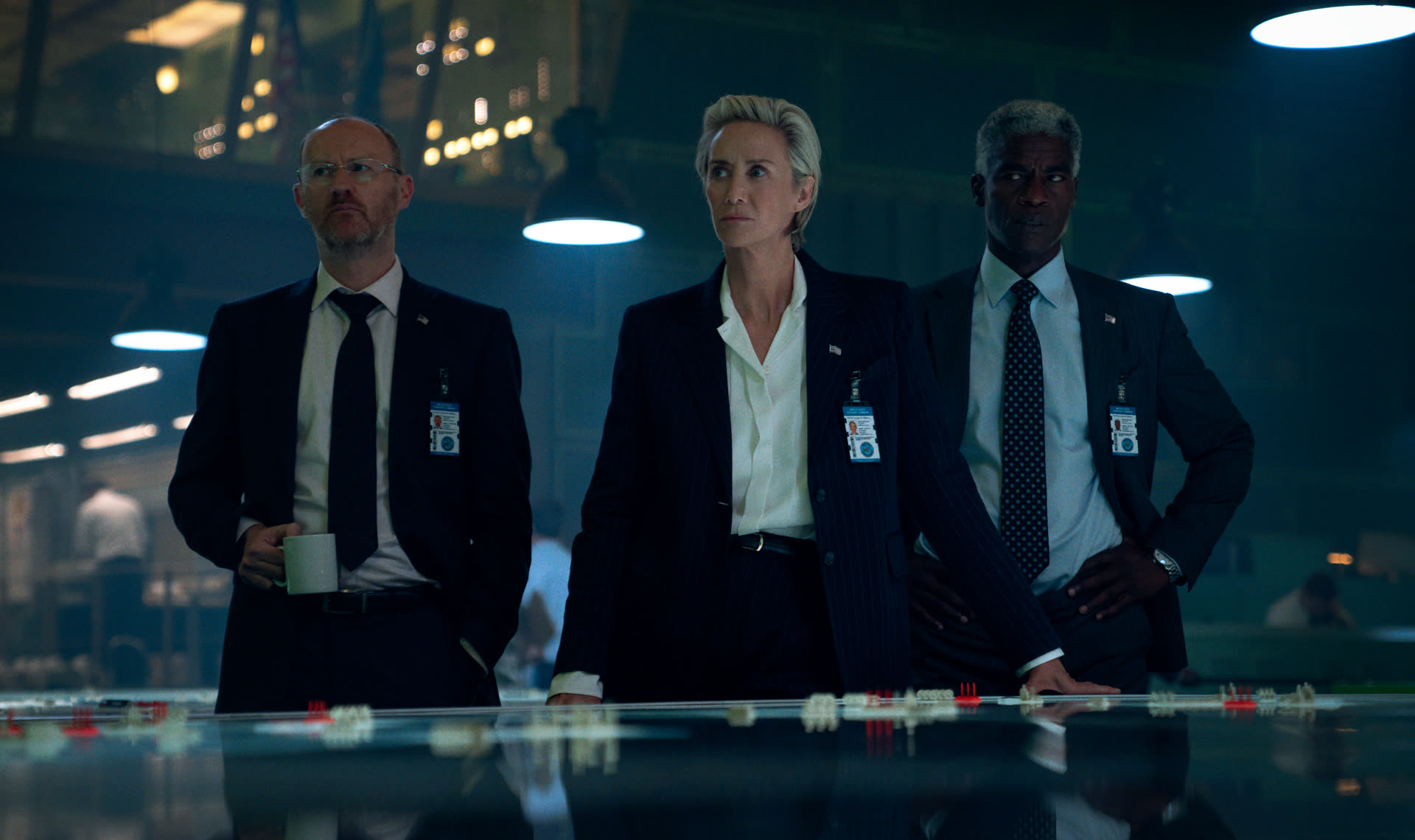
To its credit, The Final Reckoning is polished, tightly cut, and geographically invigorating. South Africa’s landscapes become living characters—grand, unforgiving, and vastly underused by Hollywood. The action is undeniably thrilling, the production value immaculate, and the franchise’s core promise fulfilled: you’ll hold the edge of your seat, even if you occasionally question why the seat still exists.
The film’s accolades—including Best Action Movie and Best Actor: Action at the 2025 Critics’ Choice Super Awards—are well earned. Yet the movie also marks a thematic crossroads. It’s exhilarating, yes. Impeccably crafted, certainly. But it’s also a mirror reflecting the franchise’s growing obsession with pushing its star to the very limits of human capability.
Whether that’s bold or simply bonkers will depend on the viewer.
One thing is certain: when Mission: Impossible – The Final Reckoning premieres on 17 December, audiences will get exactly what Tom Cruise promises—an experience where the entire seat is purchased, but only the edge is ever used.